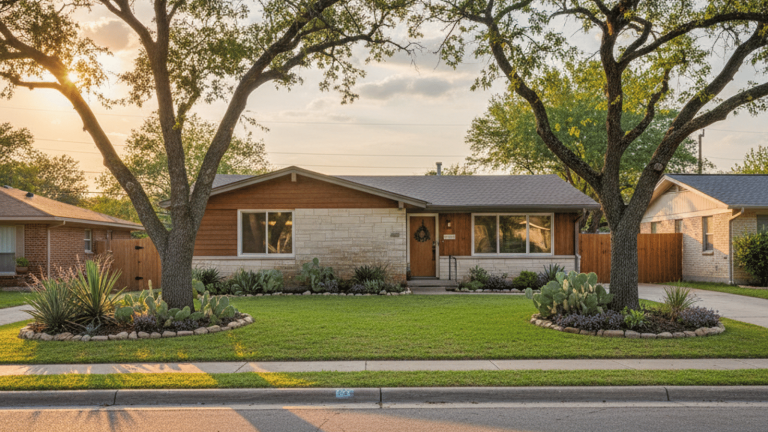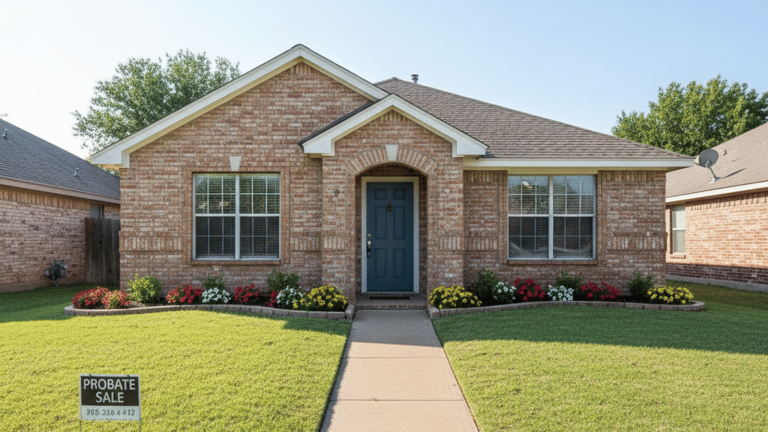


Dealing with the loss of a loved one is one of the hardest things we go through. When you add the responsibility of managing their estate to the mix, it can feel overwhelming very quickly. If you have been named an executor or administrator in Austin, you are likely balancing grief with a long to-do list that includes selling a house.
Probate is simply the legal process of settling a deceased person’s estate, paying off any remaining debts, and distributing the assets to the heirs. While it sounds intimidating, the goal is actually quite simple: to transfer the title of the home from the deceased person to the new owner cleanly and legally.
The good news is that Texas probate law is often more streamlined than in other states. If you know the roadmap, navigating the Travis County system doesn’t have to be a nightmare. Let’s walk through how this works locally, from getting the right paperwork to handing over the keys.
Step 1: Establishing Legal Authority to Sell
Before you can put a “For Sale” sign in the yard or sign a listing agreement, you need legal permission. A common misconception is that being named in the will is enough to sell the house immediately. In reality, the will is just a set of instructions until a judge validates it.
If there is a will, you must file an application with the Travis County Probate Court—typically located at 200 W. 8th St. in downtown Austin. Once the court hears your case, they will issue Letters Testamentary. Think of this document as your “golden ticket.” It is the official proof that you have the authority to act on behalf of the estate, sign deeds, and manage bank accounts.
If there is no will (known as dying “intestate”), the process looks a little different. Instead of an executor, the court appoints an Administrator. The timeline to get a hearing and receive your Letters can vary depending on the court’s backlog, but you should generally expect this step to take anywhere from 2 to 4 months.
Independent vs. Dependent Administration: Crucial Differences
In Texas, not all probate cases are created equal. The type of administration granted by the judge will dictate exactly how much freedom you have to sell the property. This is arguably the most important distinction to understand before you list the home.
Independent Administration is the standard in Texas and what you generally want. If the will allows it, or if all heirs agree, the judge grants the executor the power to sell the property without asking for permission at every step. This allows you to list the home, negotiate offers, and close just like a traditional seller. It is faster, cheaper, and much more attractive to buyers.
Dependent Administration is much more restrictive. This is usually required if there is significant fighting among heirs or complex debt issues. In this scenario, the court must oversee and approve every single step. You have to ask the judge for permission to list the house, and then ask again to accept a specific contract.
The impact on the sale is significant. Buyers often hesitate to make offers on Dependent Administration homes because there is a mandatory waiting period for the court to confirm the sale. There is also a risk that someone else could show up at the court hearing and “overbid” the original buyer, which creates uncertainty.
The Process: How to Sell a Probate House in Austin
Once you have your Letters Testamentary (or Letters of Administration), you can move forward with the actual transaction. While the sale mechanics are similar to a standard sale, there are a few extra layers of due diligence required.
First, you will likely need to file an Inventory, Appraisement, and List of Claims with the court. It is smart to get a retrospective appraisal to establish the property’s value as of the date of death. This is vital for tax purposes because heirs typically receive a “step-up in basis.” This means capital gains tax is usually calculated based on the difference between the sale price and the value at the date of death, not the original purchase price from decades ago.
You should also open a title search as early as possible. Inherited homes in older Austin neighborhoods sometimes have “clouded” titles—old mechanic’s liens, unpaid HOA dues, or breaks in the chain of title from previous generations. Catching these early prevents the deal from falling apart a week before closing.
Finally, you must handle the personal property. You will need to decide what to keep, what to sell via an estate sale, and what to donate. Many sellers find it easier to clear the house completely before listing it, as a vacant home is easier for buyers to visualize renovating.
Selling Options: MLS Listing vs. Cash Investor
When you are ready to sell the physical property, you generally have two routes. The right choice depends on the condition of the home and your timeline.
Retail Sale (MLS) Listing the home on the Multiple Listing Service (MLS) with a real estate agent is usually the best way to maximize the sale price. This exposes the home to the widest pool of buyers. If the estate needs to generate maximum funds to pay off debts or if the beneficiaries want top dollar, this is the way to go. However, the home usually needs to be cleared out and reasonably clean.
Cash Investor If the property is in significant disrepair, or if the heirs need money immediately, you might look for cash home buyers in Austin. These sales are typically “As-Is,” meaning you don’t have to fix the roof, update the plumbing, or even clean out the unwanted furniture. Investors can close very quickly, often in a couple of weeks.
It is worth noting the context of the Austin market. In high-demand areas, even a “fixer-upper” can attract multiple offers on the open market. Just because a house needs work doesn’t mean you are forced to sell it off-market. A local agent can help you determine if the premium of an MLS listing is worth the extra effort.
Alternatives to Full Probate: Muniment of Title & Heirship Affidavits
Sometimes, a full probate process isn’t necessary. Texas law offers a few shortcuts for specific situations that can save you time and money.
Muniment of Title is often used when there is a valid will, but the estate has no unsecured debts (like credit cards or medical bills), and the only asset to transfer is the house. It essentially acts as a deed transfer. It is faster than a full administration because there is no executor appointed to manage funds; the will is simply treated as proof of ownership.
Affidavit of Heirship is a common tool when there is no will. Instead of going to court, two disinterested witnesses (people who won’t inherit anything) sign a document before a notary stating who the heirs are. This affidavit is filed in the county property records. Many title companies will accept this to close on a house sale after the affidavit has been on file for a certain period. It is often much cheaper, costing in the $300 to $1,000 range, compared to thousands for full probate.
Common Challenges in Austin Probate Sales
While the process is manageable, obstacles can pop up. Being prepared for them helps keep your stress levels down.
- Multiple Heirs: Disagreements are common. One sibling might want to sell for cash immediately, while another wants to renovate and flip it. If you are in Independent Administration, the executor makes the call. If you are in Dependent Administration, the judge decides.
- Property Taxes: Travis County property taxes are high. The estate is responsible for paying taxes that accrue while the house sits on the market. If the probate process drags on for a year, that tax bill can eat into the inheritance significantly.
- Deferred Maintenance: Many inherited homes in Central Austin have good bones but outdated systems. Foundation issues or cast-iron plumbing failures can scare off retail buyers, forcing you to adjust the price or offer credits.
- Vacant Home Insurance: Standard homeowner policies often do not cover a property if it sits vacant for more than 30 days. You will need to secure a specific “vacant dwelling” policy to protect the asset against fire, vandalism, or storm damage during the listing period.
Frequently Asked Questions
Yes, but you generally cannot close the sale until the court issues your Letters Testamentary or Letters of Administration. You can list the property and accept an offer “subject to court approval” or “subject to issuance of Letters,” but the actual transfer of title waits for the judge’s authority.
The timeline varies. It typically takes 2 to 4 months just to get your hearing and receive legal authority to act. However, closing out the entire estate—paying all debts, filing tax returns, and distributing assets—often takes a year or more.
Texas is one of the states that does not have a state-level inheritance tax. However, the estate may still be subject to federal estate taxes if the total value of assets is extremely high (in the millions). You should consult a tax professional to be sure.
If the owner died without a will (intestate), Texas laws of descent and distribution determine who gets the property. The court will appoint an Administrator to manage the sale, and the proceeds will be divided among heirs according to strict state formulas, which usually prioritize spouses and children.
If you are under Dependent Administration, the court usually requires the home to be sold for at least a certain percentage of its appraised value. In Independent Administration, the executor has more discretion to set the price, though they still have a fiduciary duty to the beneficiaries to get a reasonable result.