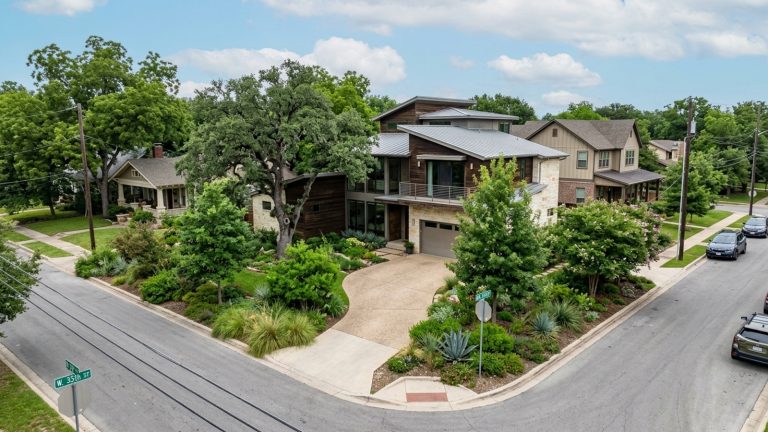


Inheriting real estate often brings a mix of emotional weight and complex financial decisions. When multiple siblings or beneficiaries are involved, figuring out how to divide inherited property sale proceeds in Texas requires a clear understanding of state laws.
The 2026 housing market across TX continues to shift, making it essential to handle these transactions efficiently to maximize the estate’s value. Whether you plan to list a suburban home or divide rural acreage, knowing your legal options ensures a smoother transition and protects your financial interests.
Understanding Texas Inheritance and Property Division Laws
The legal framework governing inherited real estate dictates exactly how ownership is established before a sale can even occur. If a property is inherited through a valid will, the named executor typically guides the process according to the deceased’s wishes.
Without a will, Texas intestate succession laws take over, and the Texas Estates Code determines who inherits the asset. In either scenario, the property usually must go through the Texas probate process to clear the title and authorize the executor to facilitate a sale.
One significant advantage for local beneficiaries is that the State of Texas does not impose a state inheritance tax or estate tax. This allows heirs to retain a larger portion of the property’s value.
When multiple heirs inherit an undivided interest in a single property, the most common ownership structure is a tenancy in common. This means each person holds a distinct share, but no single heir can claim an exclusive physical portion of the house.
Legal Options for Dividing Inherited Property Among Heirs
Co-owners have a few objective pathways to divide the asset or extract its monetary value. The most straightforward approach is reaching a consensus to sell the property on the open market.
Selling collaboratively is always the most cost-effective and efficient route for everyone involved. It avoids draining the estate’s value on prolonged legal battles and court fees.
Before choosing a path, obtaining a professional real estate appraisal is a critical first step. An accurate appraisal establishes the fair market value, which serves as the financial baseline whether you decide to list the home, buy out a relative, or pursue litigation.
Unfortunately, heirs do not always see eye to eye on the property’s future. When unresolvable disputes arise, the legal system provides mechanisms like a forced partition to break the deadlock.
Selling on the Open Market
Listing the home to a third-party buyer requires consensus among all heirs or direct authorization from the probate court. The executor or administrator typically manages the transaction, hires a real estate agent, and prepares the home for showings.
Once the transaction closes, proceeds are divided according to the percentages outlined in the will or state law after all estate debts are paid. If the property has already passed out of probate into the heirs’ names, multiple signatures on the deed will be required to close the sale.
Executing a Cotenant Buyout
A cotenant buyout occurs when one heir wishes to retain the home and purchases the ownership shares of the remaining beneficiaries. The purchasing heir must secure conventional financing, use cash, or structure a private payment plan to fund the buyout.
For example, buying out two siblings on a $600,000 home requires paying $200,000 to each sibling to secure their respective one-third shares. A new deed must then be drafted and recorded at the county clerk’s office to legally transfer full ownership.
Filing a Partition Lawsuit
When co-owners cannot agree on selling or keeping the property, filing a partition lawsuit is the formal legal recourse. A partition action is a forced legal process where the court mandates the division or sale of the real estate.
The Texas Uniform Partition of Heirs Property Act provides co-tenants a right of first refusal before a forced public auction occurs. Because of steep legal fees and potential court-appointed receiver costs, a partition by sale is the most expensive and least desirable option for heirs.
Financial Implications and Tax Considerations
Understanding the tax consequences of selling an inherited property in TX is vital for preserving your final payout. Federal tax codes offer a mechanism known as the stepped-up tax basis, which fundamentally minimizes or eliminates capital gains taxes for heirs.
Under this rule, the property’s tax basis is adjusted to its current fair market value on the date of the decedent’s death. Capital gains taxes only apply to the appreciation in value between that date of death and the actual sale date.
If an inherited property is valued at $500,000 at the time of death and eventually sells for $520,000, only the $20,000 gain is subject to capital gains tax. This rule prevents beneficiaries from paying taxes on decades of appreciation that occurred during the deceased owner’s lifetime.
Beyond capital gains, heirs must also manage ongoing holding costs while preparing for a sale. Property taxes must remain current during the probate and sale period to prevent a tax foreclosure from wiping out the estate’s equity.
Calculating Final Sale Proceeds in Texas
Before heirs receive their final cash distribution, several expenses, fees, and debts must be settled. The gross sale price is rarely the exact amount split among the beneficiaries.
Typical seller closing costs in Texas range from 6% to 10% of the final sale price. The final net proceeds are calculated by deducting the following standard obligations from the gross sale amount:
- Payoff of any outstanding mortgages, reverse mortgages, or mechanics liens against the property.
- Executor or administrator fees as permitted by Texas law.
- Standard real estate closing costs, including title insurance policies, escrow fees, and real estate agent commissions.
- Settlement of unpaid property taxes, HOA dues, or utility bills accrued prior to closing.
How Property Type and Location Impact the Division Strategy
Different real estate assets dictate whether a property should be sold entirely or divided physically. Single-family homes and urban condos typically require a full sale because they cannot be physically split among multiple owners.
Conversely, rural ranches or large acreage might qualify for a partition in kind. This allows each heir to take a specific, legally defined parcel of land rather than forcing a liquidation.
However, local zoning laws and subdivision regulations heavily restrict how rural land can be partitioned. You cannot simply draw lines on a map; the division must meet county requirements for road access and minimum lot sizes.
Local market conditions and price points also influence the timeline and preparation strategy. Heirs must decide whether to invest in repairs before listing to capture top market value or sell the property as-is to an investor for a faster, albeit lower, return.
Frequently Asked Questions
Yes, you can force a sale by filing a partition lawsuit in a Texas court. The judge can order a partition by sale, forcing the property to be liquidated and the funds distributed. This process often costs upwards of $10,000 in legal fees, significantly reducing the final payout.
Capital gains are calculated by subtracting the property’s fair market value at the time of the decedent’s death from the final sale price. Thanks to the stepped-up basis, you only pay taxes on the profit made after the date of death. If a $400,000 home appreciates by $15,000 before selling, only that $15,000 is taxable.
If the property has cleared probate and the deed is in the heirs’ names, all co-owners must sign the listing agreement and closing documents. If consensus cannot be reached, the dissenting heirs must be bought out or taken to court. An executor can sometimes sell the property without unanimous consent if the will explicitly grants that authority.
Yes, you can legally refuse an inheritance by filing a formal disclaimer of interest. This document must be filed within nine months of the decedent’s death under Texas law. Refusing an inheritance can be a strategic move to avoid assuming overwhelming property taxes or unmanageable debt.