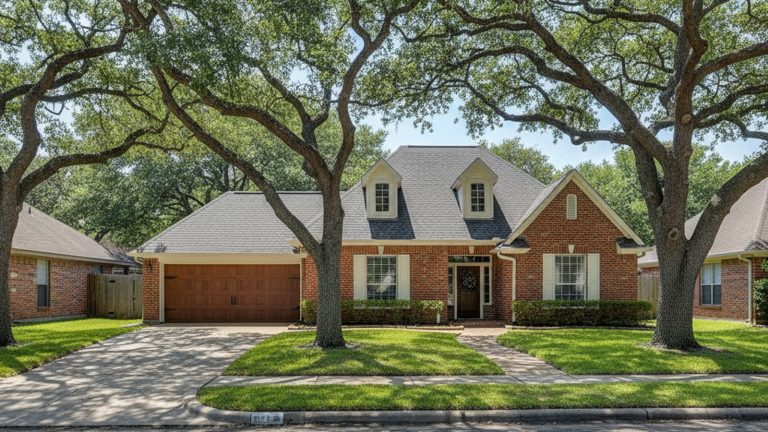


When you inherit a property, it’s easy to look at the house and see a valuable asset. Maybe you see the potential sale price or the memories held within the walls. But as a local agent, I often have to sit down with executors and have a tough conversation about the reality of the situation: a vacant house isn’t an asset yet—it’s a liability.
From the moment the owner passes away until the day the property is sold, that house is essentially running a tab. In the world of probate, where timelines often stretch from six months to over a year, those monthly costs can multiply quietly in the background. If you aren’t careful, these expenses can eat away at the inheritance or, in worse cases, leave the estate insolvent before you even get to the closing table.
The Hidden Price Tag of a Vacant House
Most people assume that because the mortgage might be paid off (or low), the house is “free” to hold. That is rarely the case. A vacant house is not a passive investment; it consumes estate cash flow every single month.
The clock starts ticking immediately. If the probate timeline drags on due to court delays or family disputes, you are looking at months of bleeding cash. The danger here is assuming you can deal with the finances “later.” By the time later arrives, thousands of dollars in equity may have already vanished into utility bills, insurance premiums, and tax payments. Immediate action is required to preserve the equity so there is actually something left to distribute to the heirs.
Breakdown of Monthly Carrying Costs
So, where exactly does the money go? It helps to look at the monthly budget just like you would for your own home, but with a few twists specific to vacant properties.
First and foremost is the mortgage. If there is still a loan on the property, it must be paid. Lenders do not pause payments just because the borrower has passed away; they will move toward foreclosure if payments stop, regardless of the probate status. Even if the house is owned free and clear, property taxes continue to accrue. In many jurisdictions, if these go unpaid, tax liens can be placed on the home, complicating the eventual sale.
Then there are the Homeowners Association (HOA) fees. These are often overlooked by executors, but they are dangerous to ignore. HOAs can be incredibly aggressive with collection actions, including placing liens or foreclosing on the property for relatively small unpaid balances.
Finally, you have utilities. You might think you can just shut everything off, but you usually need to keep the basics running. You need electricity for security systems and enough climate control to prevent mold in humid months or frozen pipes in the winter.
At a glance, here is what a typical monthly budget might look like for a vacant home:
- Mortgage: Varies (must be paid to avoid foreclosure).
- Property Taxes & HOA: Fixed costs that accrue regardless of occupancy.
- Utilities: Minimums for electric, water, and gas to maintain safety.
- Total Estimated Carrying Costs: Often between $1,500 and $4,000+ per month, depending on the loan status and location.
The Insurance Shock: Vacant vs. Standard Policies
This is the area that catches most executors off guard. There is a common misconception that mom or dad’s existing homeowners insurance policy will cover the house until it sells. Unfortunately, that is rarely true.
Most standard homeowner policies have a clause that denies claims if a home has been vacant for more than 30 to 60 days. If a pipe bursts or a storm damages the roof on day 61, and the insurance company finds out no one was living there, they can—and likely will—deny the claim. You would be left with a damaged asset and zero coverage.
To protect the estate, you generally need to switch to a Vacant Dwelling Policy. As of early 2026, these policies are significantly more expensive than standard coverage—often running 50% to 60% higher in premiums. Insurers charge more because vacant homes are high-risk targets for vandalism, theft, and undetected water damage. While the price tag is high (sometimes 1.5x to 2x a standard premium), the alternative is risking a total loss of the asset’s value.
Maintenance and Repairs: Preventing the ‘Rot’
Houses are a lot like cars; they degrade quickly when they aren’t being used. When a house sits empty, small issues turn into expensive problems because nobody is there to notice them.
Exterior upkeep is non-negotiable. If the lawn gets too high or snow isn’t shoveled, you aren’t just annoying the neighbors; you risk city fines and signal to criminals that the home is empty. You also have liability issues—if someone slips on an icy, un-shoveled driveway, the estate could be sued.
Inside the house, the “silent” maintenance issues are the real budget killers. You need to verify that the HVAC system is cycling correctly and that there are no pest intrusions. I’ve seen estates where a small roof leak went unnoticed for four months, resulting in massive mold remediation costs that slashed the final sale price. This is the cost of “deferred maintenance.” Neglecting these small fixes now doesn’t save money; it just lowers the offer you’ll eventually receive from a buyer.
Who Pays? Estate Assets vs. Personal Funds
A major stress point for executors is figuring out whose bank account these bills should come from.
Ideally, all carrying costs should be paid directly from the Estate’s bank account using the deceased’s liquid assets (cash, savings, checking). This keeps the accounting clean and protects the executor. However, some estates are “asset-rich but cash-poor,” meaning the person owned a valuable house but didn’t leave much cash in the bank.
In those cases, the Executor or Personal Representative may have to front the costs from their own pocket. If you do this, you are entitled to be reimbursed from the proceeds of the sale before heirs are paid, but you must keep impeccable records. Generally, heirs who are not the executor do not pay out-of-pocket for these expenses unless they are currently living in the home or planning to keep it.
If the debts and holding costs exceed the property’s value, the estate might be considered insolvent. In this scenario, it is crucial to seek legal counsel immediately, as state laws dictate which creditors get paid first.
Risks of Extended Vacancy
Beyond the direct monthly bills, keeping a house vacant opens the door to liabilities that can ruin the value of the estate.
Squatters are a nightmare scenario. Once someone illegally occupies a vacant home and establishes residency, evicting them is a civil matter that can take months of legal battles and thousands in attorney fees.
Vandalism and Theft are also common. We frequently see vacant homes targeted for copper stripping, where thieves tear out the plumbing and wiring, causing tens of thousands of dollars in damage for a few hundred dollars worth of scrap metal. Appliance theft is also a regular occurrence in empty properties.
Depreciation is the final risk. A house that sits on the market for six months with high grass and a musty smell becomes a “stale” listing. Buyers assume something is wrong with it, and they will almost always offer less.
Strategies to Reduce Holding Costs
If you are the executor, your goal is to stop the financial bleeding. Here are a few ways to manage these costs effectively.
Speed is your best friend. The faster you can list the property, the less money the estate loses. This doesn’t mean giving the house away, but it does mean being realistic about pricing so you don’t sit on the market for months.
You should also look into winterizing the home if you are in a cold climate. By professionally draining the pipes and turning off the water, you can lower the utility bills and virtually eliminate the risk of catastrophic water damage.
Check the tax situation as well. Ensure that the deceased’s exemptions (like homestead) haven’t prematurely expired, which could cause the tax bill to spike before you sell.
Finally, consider an “As-Is” Sale. While fixing up the home might get a higher price, the cost of renovations plus the holding costs during the construction phase often outweigh the profit. Selling an inherited house “as-is” allows you to offload the carrying costs immediately.
Conclusion: Acting Fast Protects the Inheritance
The bottom line is that every month of delay is money lost from the heirs’ pockets. The costs of insurance, taxes, utilities, and maintenance do not pause for grief or indecision.
If you are navigating this process, it is smart to consult a probate real estate specialist early. We can help you value the home accurately and decide on the best path forward—whether that is a retail sale, a cash offer, or renting it out. The one thing you cannot afford to do is nothing.
Frequently Asked Questions
Technically, these should be paid from the estate’s funds. However, if the estate accounts are empty, the executor may need to cover these costs temporarily to prevent foreclosure or damage; they are typically entitled to reimbursement once the assets are sold.
No, you should absolutely not cancel the insurance. The mortgage lender requires coverage to remain in place, and if the house is paid off, the risk of total financial loss from a fire or liability claim is too high to ignore.
It is possible, but it can be complicated. You generally need court approval to enter into a lease, and becoming a landlord adds legal responsibilities that can delay the eventual sale of the property.
If the estate is “cash poor,” the family may need to sell the house immediately to cover debts, or the heirs may choose to contribute funds to keep the mortgage current until the sale. In extreme cases of insolvency, the court will determine how creditors are paid from the sale proceeds.
Disclaimer: I am a real estate professional, not an attorney or financial advisor. The information provided here is for educational purposes and should not be considered legal or financial advice. Probate laws vary significantly by state. Always consult with a qualified probate attorney or tax professional regarding your specific situation.