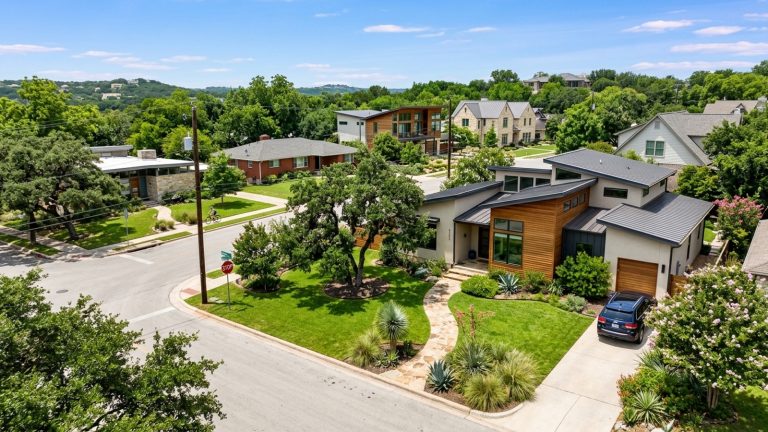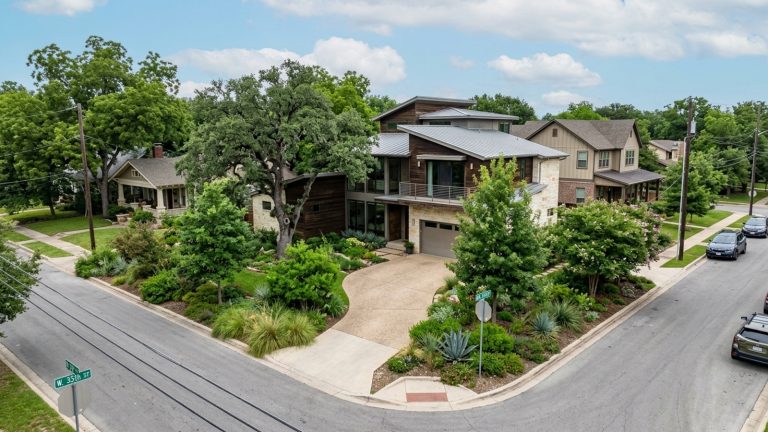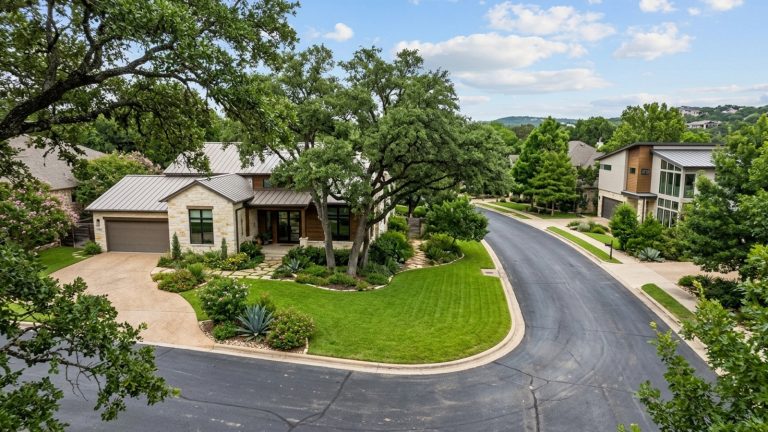

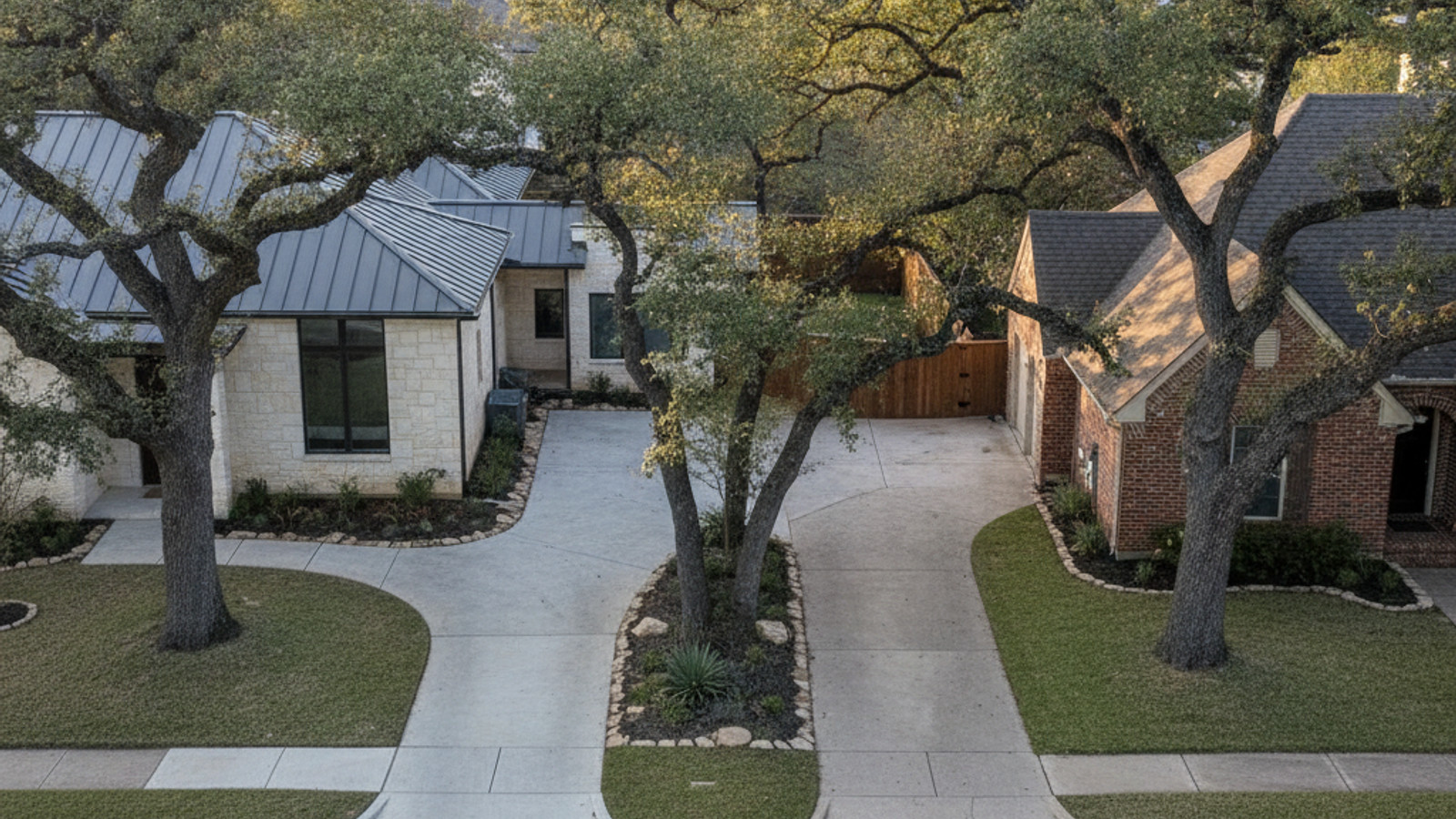
Inheriting a home in the capital of Texas tends to leave families asking the same question: what happens next? Whether the property sits in Travis County, backs up to the Colorado River, or sits out in the Hill Country, you’re looking at a significant asset – and the legal path you take to sell it matters more than most people realize. Building a clear selling strategy for inherited homes in Austin, TX starts with understanding your legal options.
That path usually comes down to one of two options. A trust sale happens when the previous owner placed the home in a living trust before they passed, which means the transaction stays private and moves quickly. A probate sale is what you’re dealing with when the home is still in the deceased’s name – court supervision is required to clear the title before anything can transfer.
How the Current Austin Market Affects Inherited Properties
As of mid-2026, the median sale price for an Austin home sits at around $570,000. Local MLS data shows homes averaging roughly 47 days on the market, with about 5.1 months of supply. Those timelines matter when you’re holding a vacant property, because a vacant home doesn’t stop costing money just because no one is living in it.
Travis County’s adopted tax rate is $0.375845 per $100 of taxable value, and the total effective property tax rate runs approximately 1.8% to 2.5% of assessed value once you factor in city and Austin Community College levies. A trust sale sidesteps typical court delays, so you can list the home – and stop paying those taxes – much sooner. In probate, the court calendar sets the pace, not you.
About 16% of Austin homes are currently selling above list price. The average sale-to-list ratio is 97.7%. With a trust sale, the trustee can act on a strong offer the moment it comes in. Probate sales often require court confirmation, which complicates negotiations and can push your closing date well past what any buyer originally planned for.
Positioning Your Property for Local Workers and Commuters
Austin’s job market is worth understanding when you’re preparing an inherited home for sale. As of late 2025, the largest employer in the metro area is H-E-B, with over 27,000 local workers. Tesla follows with over 21,000 employees, and Dell Technologies employs around 13,000. St. David’s Healthcare and Ascension Texas each employ over 12,600 workers.
Buyers relocating for those jobs move fast and often have firm start dates – which is exactly the kind of buyer a trust sale is built for. A probate sale asks that buyer to wait out a court timeline, and not all of them will.
Commute options factor in too. Capital Metro’s combined bus and rail system carried about 26.2 million riders in 2025, averaging roughly 80,100 passengers per weekday in early 2026. The agency is currently rolling out Transit Plan 2035, which will consolidate the bus network from 61 to 55 routes ahead of a planned 2033 light-rail opening. Proximity to those corridors quietly influences what buyers will pay.
Factoring Austin ISD Enrollment Into Your Sale
Austin Independent School District remains the largest school district in the region, though enrollment has been sliding. Texas Education Agency data puts Austin ISD at 69,074 students for the 2025-26 school year – a drop of roughly 3,198 students, or 4.4%, from the previous academic year. That’s a real number, and it’s worth knowing before you assume every buyer in your price range is chasing a specific school zone.
That said, homes zoned to certain campuses still draw consistent attention from buyers who’ve already done their research.
Timing is where probate and trust sales diverge most noticeably in this context. A trust sale lets the trustee put the home on the market right before the fall semester – a stretch when motivated buyers are actively looking. Probate is tied to the court calendar, which doesn’t care whether it’s July or January. If the court timeline pushes your listing into the slower winter months, budget for longer holding times.
Frequently Asked Questions
A probate sale in Austin typically takes several months longer than a trust sale. A trust sale can close in a standard 30 to 45 days. Probate requires filing petitions and waiting for hearings in Travis County courts. Austin homes already spend about 47 days on the market under normal conditions – court delays stack on top of that for probate properties.
No. When a home is held in a living trust, the designated trustee has the legal authority to list and sell the property immediately. The Travis County probate court system is bypassed entirely, which saves both time and legal expenses.
Generally, yes. The estate pays for court filing fees, attorney representation, and sometimes a probate referee to appraise the home. A trust sale avoids those specific legal costs – you’re left with standard real estate commissions and local closing costs, same as any other transaction.
In Texas, trustees and estate executors are often exempt from providing a standard seller’s disclosure if they’ve never lived in the property. That said, any known defects still have to be disclosed to potential buyers. A trust sale and a probate sale follow similar rules for those fiduciary exemptions.
Probate limits your flexibility significantly. The court often dictates the terms of the sale and must approve the final price. In a trust sale, the trustee negotiates directly with buyers and can accept an offer on the spot. With Austin homes currently selling at about 97.7% of list price, that ability to move quickly without waiting for a judge’s sign-off is a real advantage.
It’s much harder to block a trust sale. A living trust is a private document that gives the trustee clear authority to sell without court interference. Probate is a different story – family members and heirs can file objections during the required public court hearings, and some of them do.