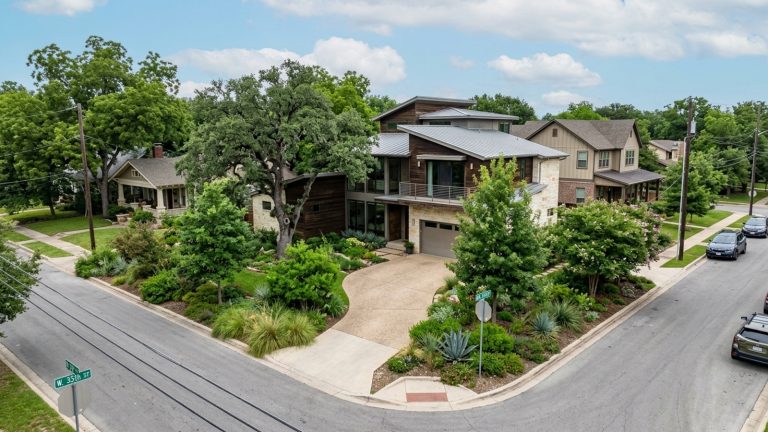


The median sale price for a home in Austin, TX is roughly $570,000 as of mid-2026. When a homeowner passes away, managing and eventually transferring or selling a property worth that much becomes a serious legal and financial responsibility – one that doesn’t pause for grief. A probate real estate guide in Austin, TX can help clarify the process. If the deceased didn’t leave a will naming an executor, the court steps in and appoints someone to handle things.
That court-appointed person is called an administrator. Taking on the role means you’re responsible for securing assets, paying the deceased’s debts, and distributing what’s left to the rightful heirs under Texas law. There are specific filings with the county, strict adherence to state probate codes, and very little room for improvisation.
How Travis County Appoints an Estate Administrator
Travis County operates two statutory probate courts at 200 W. 8th St. in downtown Austin. The County Clerk serves as the Clerk of the Court for both venues and handles all matters related to the estates of deceased persons.
When someone dies intestate – meaning without a valid will – the court has to designate someone to manage the estate. Relatives usually apply for the position, and if the court approves, they receive their legal authority through a document called Letters of Administration. Once the judge signs it, the administrator takes on a fiduciary duty to act in the estate’s best financial interest. That obligation means careful record-keeping and a complete inventory of all assets, including any real property.
Differences Between an Executor and an Administrator
It comes down to one thing: whether the deceased left a valid will. An executor is explicitly named in that will by the deceased to carry out their final wishes.
An administrator is appointed by the probate court when there’s no will, or when the named executor can’t or won’t serve. The titles are different, but the core responsibility is the same – settle the estate, manage real property, pay creditors, then distribute what remains to the heirs.
Core Duties When Managing Austin Real Estate
Austin currently has an inventory of about 4,942 homes for sale. An administrator preparing to list a probate property needs to understand how to manage the asset before it hits the market and competes with all of those active listings.
The moment the court issues Letters of Administration, the administrator takes control of the deceased’s real estate. If the home is vacant – and it often is – that means changing the locks, keeping up the landscaping, and continuing to pay utility bills and property taxes out of estate funds. Let a vacant house sit neglected for a few months and you’ll have a much harder sale ahead of you.
Before a property can be sold or transferred, the administrator also has to address any title issues. That typically means working with a title company to confirm there are no outstanding liens or claims against the property that could derail a future transaction.
Handling Creditors and Debts
Texas law requires the administrator to notify known creditors that the estate is in probate. Those creditors then have a specific window to submit claims for money owed by the deceased.
The administrator reviews those claims and uses the estate’s assets – which may include proceeds from a home sale – to pay the legitimate ones. Heirs don’t receive anything until those obligations are satisfied. That’s not a technicality; it’s the law.
Distributing Assets to Heirs at Law
With no will to dictate who gets what, Texas intestate succession laws determine the rightful heirs. The administrator relies on a court-approved determination of heirship to identify those individuals.
Once all debts and taxes are paid, the administrator transfers the remaining assets – real estate, or the cash from its sale – to the legal heirs. The probate court oversees that final distribution to make sure everything lines up with state law.
Selling an Inherited Home in the Local Market
Homes in Austin are spending an average of 47 days on the market before selling. Whether a probate property can move within that window depends largely on the type of administration the court granted.
Texas offers two primary paths: independent and dependent administration. Which route the court assigns determines exactly how much authority the administrator has over the real estate transaction – and how long the whole thing takes.
Independent vs. Dependent Administration
Texas Estates Code Sec. 402.002 gives independent administrators broad powers to manage the estate without constant court supervision. That means an independent administrator can list real property, pay claims, and distribute assets to beneficiaries without waiting on a judge’s approval for each individual step.
When beneficiaries can’t agree, or the situation calls for closer oversight, the court mandates a dependent administration. A dependent administrator has to secure formal court approval to list real estate, settle claims, or pay expenses – and they’re usually required to post a costly surety bond on top of that.
Probate Timelines and Filing Costs
The filing fee for a new probate application in Travis County is approximately $360, though you should call the Probate Division at 512-854-5958 to confirm the current schedule before you go in. You can typically get a hearing date within two to three weeks of filing, and the hearing itself often runs under 15 minutes.
Simple estates using independent administration usually wrap up in 6 to 9 months. Dependent administrations are a different story – more paperwork, a court hearing for every action, and a realistic timeline of 12 to 24 months or longer.
Frequently Asked Questions
It depends on which family members step forward. The Travis County probate court typically appoints a close relative – a surviving spouse or adult child – to serve as administrator. If multiple people apply, the court uses Texas intestate succession laws to determine priority.
Plan on two to three weeks to get a hearing date after you file your application. The hearing itself is brief, often under 15 minutes. Once the judge approves the application, the county clerk issues the Letters of Administration.
It’s about how they got their authority. An executor is named in the deceased’s will; an administrator is appointed by the probate court when there is no will. Both have the authority to manage and sell real estate, as long as they follow the court’s administration rules.
The administrator uses estate funds to satisfy outstanding debts, property taxes, or liens attached to the home. Known creditors must be notified, and legitimate claims have to be resolved during the probate process. Once the debts are cleared, the administrator can transfer a clean title to a buyer or to the legal heirs.
Yes – if the sale is needed to pay the estate’s debts. Under an independent administration, the administrator can sell the property to satisfy creditors without a judge’s approval or the heirs’ consent. If there are no debts, selling the home typically requires either agreement among the heirs or a specific court order.
Yes. Texas law allows administrators to collect a fee for their services, typically calculated as a percentage of the estate’s transactions – which can include money coming in from a real estate sale. That fee is paid out of the estate’s assets before the remaining funds are distributed to the heirs.